AI SEO for Small Business: Cutting Through the Hype
A practical guide for Hudson Valley businesses, Dutchess County service companies, restaurants, shops, contractors, tourism brands, and local organizations trying to understand what “AI SEO” actually means — and what still matters most.
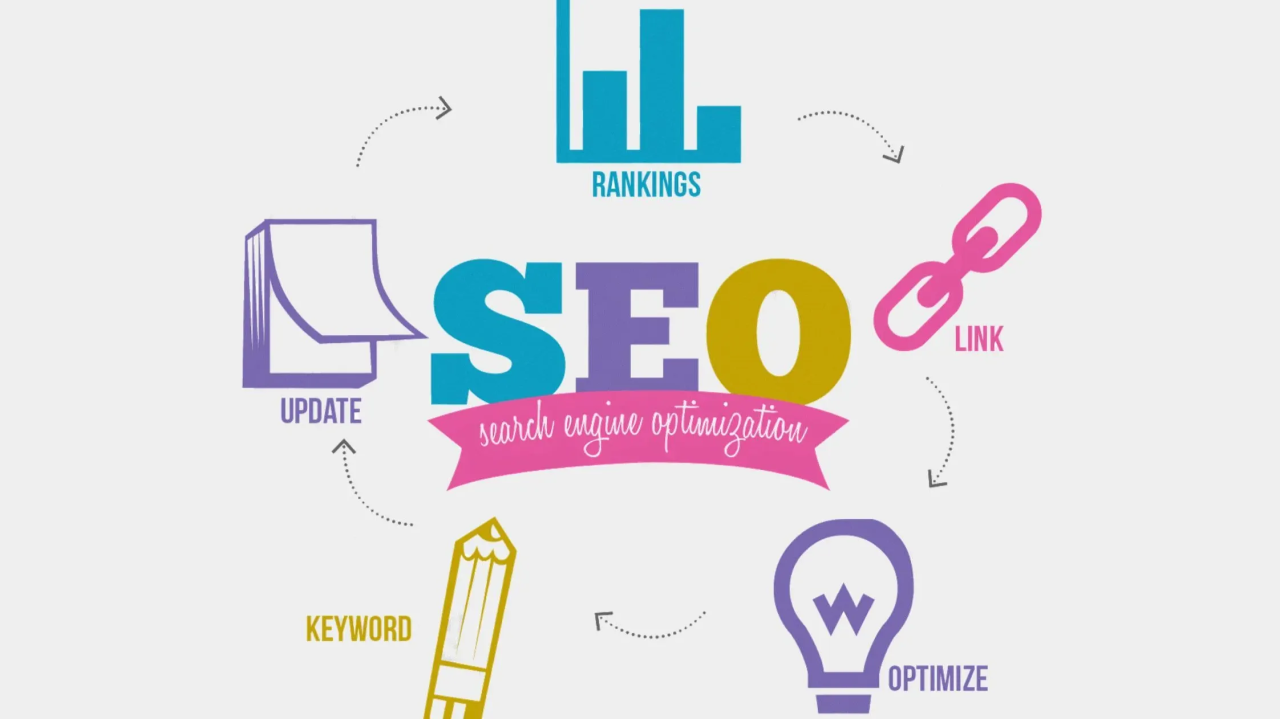
The “AI SEO” pitch small businesses are hearing
A lot of businesses are now being told they need a special AI SEO package, a proprietary prompt system, or a new monthly service that will make ChatGPT, Gemini, Perplexity, or other AI tools recommend them.
Here is the honest version: AI search visibility is not separate from real search authority. The businesses that get mentioned, cited, summarized, and trusted by AI systems are usually the same businesses with clear public information, strong local profiles, consistent citations, useful content, real reviews, and structured data that machines can understand.
How AI actually decides what to trust
AI tools do not have one universal “best business” database. Some answers come from training data, some come from live web browsing, some come from search indexes, and some come from sources the tool decides are credible enough to cite or summarize.
That means AI systems tend to favor businesses and brands with a few things in common:
- Clear entity information: who you are, where you serve, what you do, and how customers contact you.
- Consistent public data: your name, address, phone, website, hours, and service categories match across Google, Apple Maps, Bing, Yelp, Facebook, industry directories, and your website.
- Useful content: service pages and articles that answer real questions instead of stuffing keywords into thin pages.
- External trust: real reviews, local mentions, backlinks, citations, awards, partnerships, news, directories, and business profiles.
- Machine-readable structure: schema markup that helps search engines and AI systems understand your business, services, reviews, FAQs, and location.
What local authority looks like in the Hudson Valley
Local SEO is not just “rank for web designer near me” or “best pizza near me.” It is about proving that your business is a real, active, trusted entity in a specific market.
For businesses in Poughkeepsie, LaGrange, Wappingers Falls, Fishkill, Millbrook, Red Hook, Beacon, Hyde Park, Kingston, Newburgh, and the wider Hudson Valley, the strongest local authority usually comes from layered signals working together.
Schema helps search engines and AI understand your business
Schema is not magic, but it is important. Think of it as a clear label system for machines. Instead of forcing Google, Bing, or an AI browsing tool to guess what your page means, schema can tell them: this is a local business, this is a service, this is an FAQ, this is a review, this is an organization, this is the founder, and these are the areas served.
A basic local business schema setup should match the visible content on the page. Do not add fake reviews, fake locations, or services you do not actually provide.
{
  "@context": "https://schema.org",
  "@type": "LocalBusiness",
  "name": "Your Business Name",
  "url": "https://yourdomain.com",
  "telephone": "+1-845-555-1234",
  "address": {
    "@type": "PostalAddress",
    "addressLocality": "Poughkeepsie",
    "addressRegion": "NY",
    "addressCountry": "US"
  },
  "areaServed": [
    "Poughkeepsie NY",
    "Dutchess County NY",
    "Hudson Valley NY"
  ],
  "sameAs": [
    "https://www.facebook.com/yourpage",
    "https://www.instagram.com/yourhandle"
  ]
}Red flags when someone sells “AI SEO”
Some AI SEO services are useful because they include real SEO work: schema cleanup, content improvement, entity optimization, technical fixes, local listing audits, and better site architecture. The problem is when normal SEO work gets repackaged as a mysterious AI loophole.
- “We can guarantee ChatGPT will recommend your business.”
- “We have a proprietary AI prompt system that forces AI tools to list you.”
- “AEO replaces SEO.”
- “You need monthly AI metadata updates even if nothing on your business changed.”
- “Reviews, Google Business Profile, and local citations do not matter anymore.”
If the offer skips over fundamentals and jumps straight into buzzwords, be careful. Real AI search visibility is usually built from boring, reliable work done correctly.
What small businesses should do instead
1. Fix your Google Business Profile first
Add accurate categories, services, photos, hours, products, booking links, and a useful business description. Respond to reviews and questions. Keep everything current.
2. Build service pages around real customer intent
A restaurant, contractor, tour company, gym, card shop, medical office, or ecommerce brand should not rely on one generic services page. Each important service deserves clear copy, proof, FAQs, images, calls to action, and location relevance.
3. Add structured data carefully
Use LocalBusiness, Organization, Service, FAQPage, Product, Review, Article, and Breadcrumb schema where appropriate. Validate it. Keep it consistent with the visible page.
4. Earn real trust signals
Ask for detailed reviews. Get listed with relevant local and industry sources. Sponsor events if it makes sense. Publish useful articles. Show real work. Link to verifiable public feedback.
5. Make the website fast and understandable
AI tools and search engines both benefit from clean structure. So do humans. Navigation, headings, image alt text, internal links, page speed, mobile layout, and clear service information still matter.
Let’s make your business easier for people and machines to understand.
If your website, Google Business Profile, schema, or local SEO structure feels scattered, I can help clean it up without selling you hype.